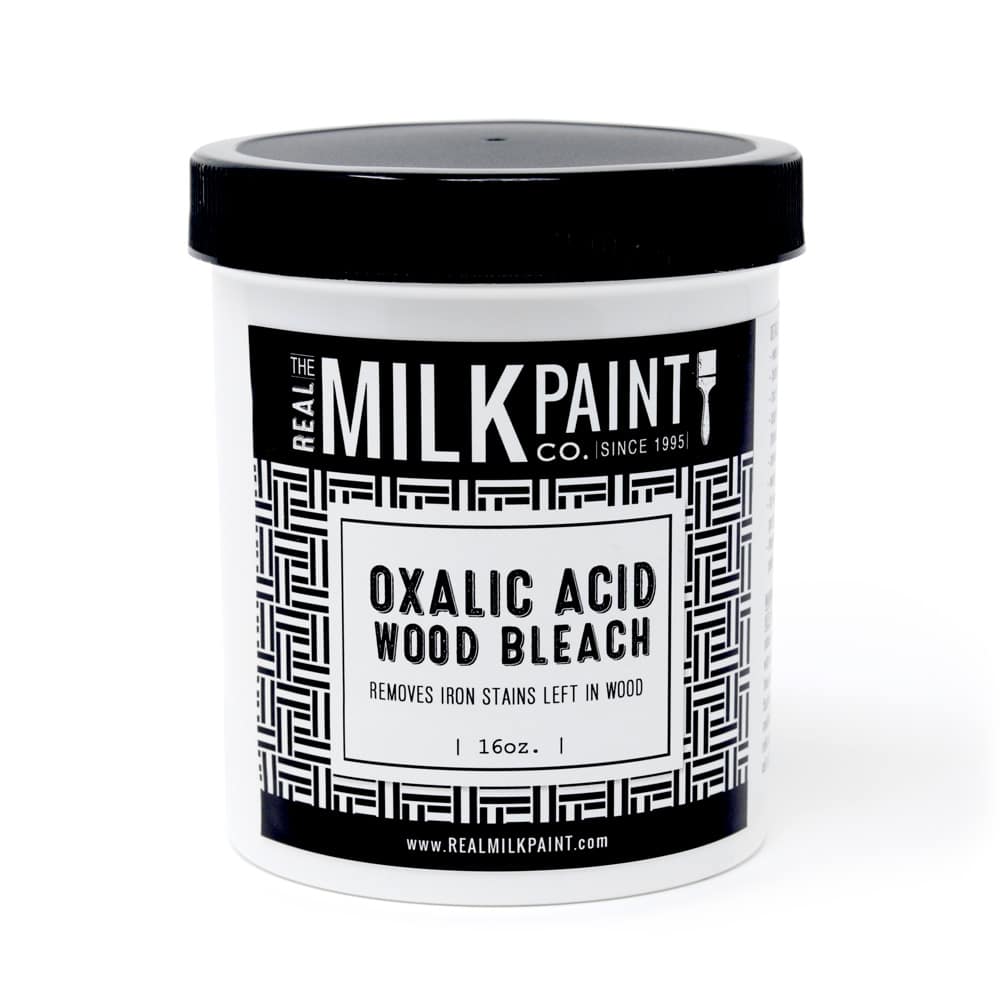
Oxalic acid is used to bleach wood when it has been stained by iron. There are many ways iron works it’s way into wood and this is the best remover for those stains while maintaining natural wood color. Perfect for working on refinishing wood surfaces. Weighs 16 oz.
Oxalic Acid Wood Bleach
$12.99 USD
Product Description
SAFELY REMOVE STAINS WITHOUT BLEACHING WOOD FURNITURE
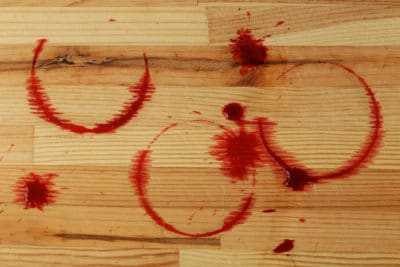
Have you ever removed the finish from a piece of furniture and found black stains or black rings from metal pots or prolonged water exposure? Have you ever removed the finish from a floor and found black or deep brown pet urine stains in the wood, which no amount of sanding will take out? These are all iron stains caused by the chemical reaction of tannins in the wood mixing with the trace metals in urine and water.
Oxalic acid (Oxalate) is an all-natural, organic compound with the formula HO2C−CO2H. It’s found in vegetables like sorrel, spinach, and rhubarb. There are many processes to extract it from vegetation, but modern methods manufacture it through the oxidation of carbohydrates or glucose using nitric acid or vanadium pentoxide. It is a relatively strong acid for its acid group. It is important to use protective gear and eye goggles when handling oxalic acid wood bleach.
The main use of oxalic acid is as a bleach, particularly with wood and to remove iron stains all while not bleaching the wood. (If you do want to remove the wood’s natural color, you would need a two-part bleach of sodium hydroxide and hydrogen peroxide.) For small spots, it is suggested that users mix about two tablespoons of it in a quart of hot tap water and allow it to dissolve. For larger spots or entire sections of a floor, there are directions on the next tab. Oxalic acid wood bleach is also great for removing water spots and rust stains.
When dissolved, use an artist brush and paint it in the mixture on the stained areas only. Allow drying. The stain will lighten. If it does not disappear, then do another coat. You may need to coat it three or four times, allowing time to dry between coats. Once the stain is gone you can sometimes get a slight halo effect around the area where the stain was bleached. To take care of this, saturate a rag with the acid solution and wipe a thin coat over the stain and surrounding area. Allow drying. This should take care of the stains. Once the stains are gone you need to neutralize the acid so it will not react with your wood finish. Mix up two tablespoons of borax in a quart of hot water. Saturate a rag with the borax solution and wipe the floor and allow to dry. Borax, like oxalic acid, is a natural product.
SURFACE PREPARATION: Wood must be free of all coatings, waxes & oils. Use appropriate strippers and cleaners to remove coatings.
MIXING: ALWAYS WEAR RUBBER GLOVES, EYE PROTECTION & PROTECTIVE CLOTHING WHEN USING THIS PRODUCT. Dissolve contents of this package with one gallon of hot water.
BLEACHING PROCESS:
- Add entire contents of jar to 2 gallons of water or 2 tablespoons per quart.
- Apply hot solution w/scrub brush, old paint brush or mop of large jobs. Apply liberally allowing the solution to remain on surface until bleached to desired lightness.
- If solution cools before job is finished, reheat the solution being careful not to allow it to come to a boil.
- Rinse treated area repeatedly w/clean water and allow to dry.
- Test removal of the bleach from the dried wood by wiping the surface w/dark-colored cloth checking for a powdery residue. If powder is present, rinse again w/clean water and allow to dry.
- Wood grain may be raised as a result of application of this product. Ensure all bleach residue is gone & then sand wood & finish w/desired product.
KEEP OUT OF REACH OF CHILDREN AND PETS.
MAY BE TOXIC TO SMALL PETS.
Working with older wood has its complexities, one of which is stains that sanding doesn’t remove. Many times, these stains are due to the chemical reaction of tannins with trace metals in the wood. These chemical reactions happen for various reasons, including dampened hardware resting against the wood for long periods or pet urine remaining in contact with the surface over time. Fortunately, wood bleach products such as Oxalic Acid by The Real Milk Paint Co. can help you remove stains from the wood without changing its original coloration. This formulation works on both small and large areas, and it also helps when you need to eliminate water spots or rust stains.
HOW OXALIC ACID IS MADE
Oxalic Acid derived from common vegetables such as spinach, rhubarb and sorrel. The extraction process typically means oxidizing carbohydrates and glucose in this plant vegetation with either nitric acid or vanadium pentoxide. This process creates powdered crystals that activate completely when mixed with hot water, making it simple to store between uses and mix when needed.
DIFFERENCE BETWEEN OXALIC ACID AND OTHER WOOD BLEACHES
When exploring how to bleach wood, you probably encountered other options such as two-part wood bleaches, chlorine bleach or household bleach and wondered what the difference is between them and Oxalic Acid.
The main difference is that Oxalic Acid returns wood surfaces to the original color of the wood, while two-part bleaches typically lighten the wood all over. Additionally, two-part bleaches also remove color from many pigments and dyes, not just the wood it’s used upon. These formulations are called two-part bleaches because they literally come in two parts you have to mix before bleaching. One package typically contains lye and the other hydrogen peroxide. When you’re ready to use two-part bleach, you either mix the two components together and apply them to surfaces or apply one after the other, depending on the brand.
BENEFITS OF BLEACHING WOOD WITH OXALIC ACID
One of the main benefits of working with Oxalic Acid is that it’s one of the safer wood bleaching products as long as you take the proper precautions. While still extremely corrosive and dangerous to handle without protective gear, this all-natural organic compound offers an environmentally friendly option for bleaching wood. Since it doesn’t change the color of unstained areas, you don’t have to be as careful in application as with stronger wood bleaches, and it also removes chemical stains and tannin discoloration from bare wood, making it a versatile option when building, restoring or painting furniture and homes.
HOW TO USE OXALIC ACID TO BLEACH WOOD IN SMALL AND LARGE SPACES
 When you just need small stains removed on areas of furniture where hardware rested against the wood, Oxalic Acid allows you to mix up a small amount and save the rest for later. To do this, mix 2 tablespoons of our powder formulation per quart of water, then apply it to the area with a fine paintbrush. For larger areas such as floors with extensive damage from pet urine, just mix the whole package with a gallon of water. Once mixed, cover the flooring with the hot solution by using a mop for quick, easy application.
SAFETY CONSIDERATIONS FOR USING OXALIC ACID WOOD BLEACH
Though natural, Oxalic Acid is a strong acid and requires proper gear for safe use. This means that before you get started, you need thick rubber or vinyl gloves and eye goggles. You should work in a well-ventilated space and use a personal respirator if you have any sensitivities, and consider wearing a dust mask while you work even if you don’t. Additionally, wear a long-sleeved shirt and long pants to better protect yourself should you splash the mixture as you work. To further reduce or contain injury risks, keep a pail of fresh water on hand while you work to immediately wash Oxalic Acid off your skin or out of your eyes should you accidentally expose bare skin to the chemical. Like with all strong chemicals, store Oxalic Acid out of reach from kids and pets when not in use.
WOOD BLEACHING DOS AND DON’TS
When considering how to use wood bleach like Oxalic Acid in your projects, keep these dos and don’ts in mind to ensure optimal results.
- Do Treat Oxalic Acid with Respect: Though all-natural, it can’t be stressed enough that Oxalic Acid is also highly dangerous. Because it comes in crystal form, inhalation can cause lung damage even before you mix it, so be sure to work in a well-ventilated area and possibly wear a personal respirator.
- Don’t Use Oxalic Acid with Metal Containers: Oxalic Acid eats away the metal and has the potential to corrode it so much that your mixture leaks and damages you or other surfaces. Instead, use ceramic or glass bowls to mix and contain your mixture as you work.
- Do Clean Wood Properly Before Bleaching: Before applying Oxalic Acid, be sure that surfaces are completely stripped of all wax, finishes and oils by using a wood cleaner. Also, remove any metal hardware, even if it’s not the hardware that caused the stain you wish to remove.
- Don’t Expect All Wood to React the Same: Some types of wood bleach better than others, so if you’re unsure of how the wood you wish to bleach reacts with Oxalic Acid, consider doing a spot test. You can test on an area of your project that remains unseen on completion, or you can test bare or raw wood of the same type as that you’re planning on bleaching.
- Do Work Slowly and Carefully: Just because Oxalic Acid doesn’t bleach unstained areas doesn’t mean you should be sloppy in application. Because it’s a dangerous chemical, maintain respect for the medium and apply it carefully in smooth, even coats, with either a soft rag or a paintbrush.
- Don’t Leave Excess Oxalic Acid Behind: If you apply too much Oxalic Acid, be sure to wipe it away with a dry cloth immediately. This reduces risks of accidents and helps ensure your bleached wood project looks its best.
- Do Neutralize Oxalic Acid as You Work: Oxalic Acid by The Real Milk Paint Co. neutralizes easily with Borax. After coating your surface, mix 2 tablespoons of Borax with 1 quart of water, then use the mixed solution to wipe down the wood you’re bleaching once the Oxalic Acid dries.
- Don’t Mix Oxalic Acid Ahead of Time: Like with other wood bleaches, newly mixed Oxalic Acid works best when used right away. If you mix it ahead of time, the chemicals typically weaken and reduce effectiveness.
SUPPLIES FOR OXALIC ACID WOOD BLEACH PROJECTS
In addition to the personal protective gear mentioned above, you need several other supplies for Oxalic Acid wood bleaching projects. First, you need a glass or ceramic bowl for mixing it with water and something to mix it with such as a clean paint stirrer. You also need clean water, both to rinse off any Oxalic Acid that gets on you or other surfaces and to mix with Borax when you’re ready to neutralize your surface. For application, scrub brushes, old paint brushes and mops work best. Additionally, to check for residue after bleaching and neutralizing, keep a soft dark rag on hand that easily shows powder and dust.
HOW TO USE WOOD BLEACH
When you’re ready to start your wood bleaching project, gather all the necessary supplies in the area you plan to work. Again, when working with strong chemicals, be sure the area is well-ventilated and large enough that you can move around easily as you work through the process.
Cleaning Surfaces
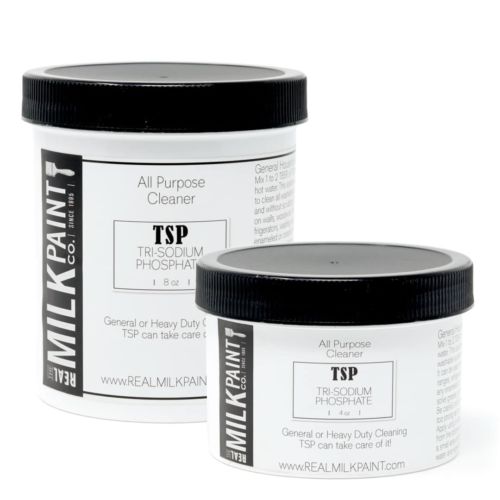
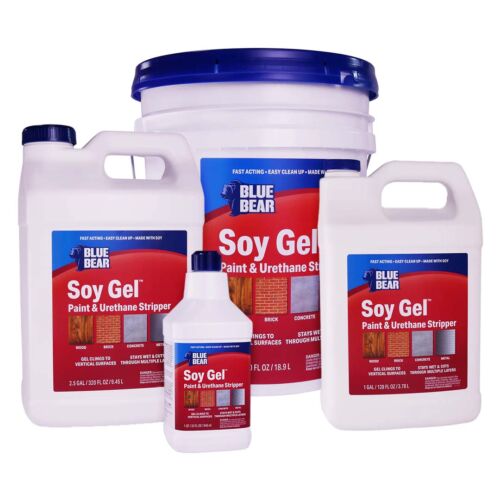
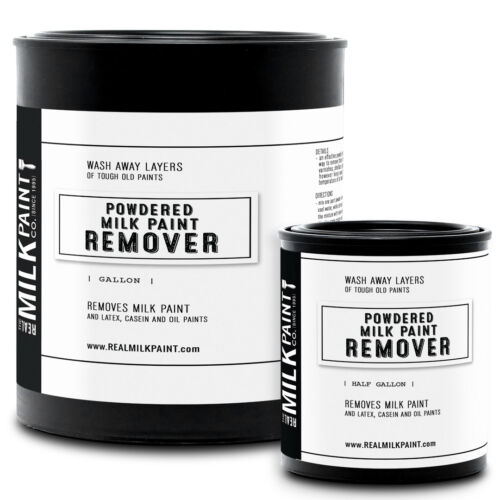
Oxalic Acid works on bare wood, so the first step to using this formulation is cleaning your surface thoroughly. This means clearing away old finishes, and The Real Milk Paint Co. has you covered there with stripping products designed for practically any finish you need to clean. For surfaces covered in modern paints and urethane, consider using Soy-Gel Professional Paint Remover, which removes several layers of shellac, paint and other finishes with one application. This low-VOC formula offers powerful stripping yet is safe enough for indoor use. Use Milk Paint Stripper for surfaces covered in Real Milk Paint. Once you’ve stripped the surface or if you’re working with bare wood, then wipe the surface down with Trisodium Phosphate to completely remove any residue.
Mixing Oxalic Acid
When using Oxalic Acid from The Real Milk Paint Co., mixing is simple. For smaller batches, mix 2 tablespoons of our Oxalic Acid powder with a quart of hot water in a glass or ceramic container. For larger jobs, mix the entire package with 2 gallons of hot water. Remember, acids typically weaken over time, so your Oxalic Acid mixture works best when freshly mixed.
Apply Wood Bleach Mixture
Grab an old scrub brush, paintbrush or mop once you mix your solution, then use it to liberally apply Oxalic Acid to your surface. Be sure to wipe off any of the solution that splatters on other surfaces, and keep the Oxalic Acid solution on until the wood reaches your desired level of lightness. If the stain is still there after the solution dries, reapply it with the same technique and allow it to dry again.
Neutralize the Oxalic Acid
When you achieve the look you want, neutralize the Oxalic Acid solution with Borax. To do this, mix 2 tablespoons of Borax with 1 quart of water, then apply the mixed solution liberally over the surface. Though this isn’t a hard step you must perform, it does help ensure a safer working environment and reduces injury risks as you complete your project. Once the solution dries, you’re ready to rinse the surface with water.
Rinse the Treated Area with Water
Once the wood achieves the lightness level you prefer, rinse the treated area with water. You likely need to rinse the area multiple times to be sure you’ve removed all the Oxalic Acid, so don’t be shy about rinsing. When you finish, allow the bleached finish time to dry. It’s very important to remove neutralize and rinse away residual Oxalic Acid. So, don’t be afraid to repeat these steps if necessary.
Check for Residue
Once you’ve treated the wood, rinsed it clean and allowed the surface to dry, use the dark rag in your supplies to check for residue. To do this, simply run it across the dried surface, then check it for any powder left behind. If you find residue on the dark rag, then repeat the rinsing step and check for residue again. Once your rag comes back clean, move on to the next step.
Complete Your Build or Restoration
Once your surface reaches your desired level of lightened wood and you’ve rinsed, neutralized and removed all residue, you’re ready to add color or shine to the wood. Because your wood is bare and now clean, you can simply work as usual with your choice of Real Milk Paint colors, finishing creams or glazes or waxes such as Good Ol’ Brown Wax or Soapstone Sealer and Wood Wax.
Getting the look you want from the original wood used to build antiques doesn’t have to be tricky when you use Oxalic Acid to remove stains or restore surfaces to their original beauty. Safe and effective when you take the proper precautions, Oxalic Acid works equally well for experienced and beginner DIYers, with a forgiving formulation that doesn’t make your surface lighter than it was originally. By combining Oxalic Acid with other products from The Real Milk Paint Co., you can beautify vintage pieces with ease and create new furnishings or flooring that mimics the look of antiqued items without breaking your back or your budget.
WHAT IT’S MADE OF
We believe in being honest with what is in our products. So, that’s why we provide the ingredients used in them so you can rest assured knowing exactly what’s in the product you purchase from us. It’s just a way we make it easier on you.
To view and download the Safety Data Sheet (SDS) for Oxalic Acid click here: Oxalic Acid Wood Bleach Safety Data Sheet (SDS).